
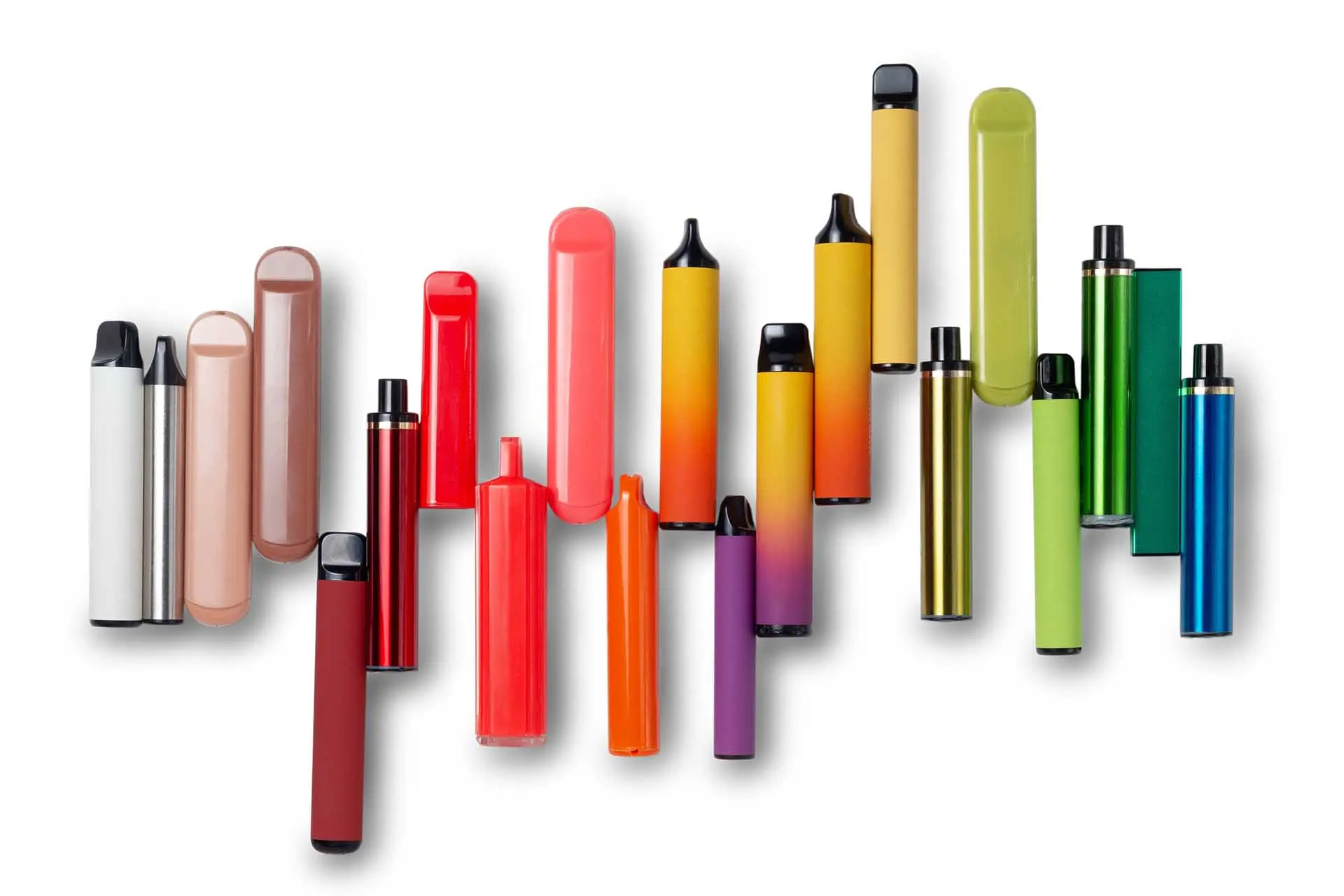
Navigating the World of Disposable Pens: The Pros and Cons
The vaping landscape has witnessed a surge in popularity, accompanied by a plethora of options for enthusiasts. Among these, disposable vapes have emerged as a convenient and accessible choice for both beginners and seasoned vapers. In this article, we will explore the pros and cons of disposable vapes, shedding light on their convenience, environmental impact, health considerations, and the evolving regulatory landscape.
Pros of Disposable Vapes
Convenience and Portability
Disposable vapes are a game-changer when it comes to convenience. With no need for charging or maintenance, users can enjoy hassle-free vaping experiences on the go. The compact and lightweight design makes them easy to slip into pockets, providing a portable solution for vapers with an active lifestyle.
Cost-Effective for Beginners
For those new to vaping, disposable vape pens offer a cost-effective entry point. The initial investment is significantly lower compared to reusable alternatives, and users can start their vaping journey without the need for additional accessories. This affordability makes disposable vapes an attractive option for beginners exploring the world of vaping.
Variety of Flavors
One of the standout features of disposable vapes is the wide range of available flavors. From classic tobacco to exotic fruit blends, manufacturers cater to diverse consumer preferences. The extensive flavor options contribute to an enjoyable and personalized vaping experience, attracting users seeking variety in their vaping routine.
Cons of Disposable Vapes
Environmental Impact
Despite their convenience, disposable vapes pose a significant environmental challenge. The non-biodegradable materials used in their construction contribute to environmental pollution. Disposal can be problematic, as proper recycling facilities for these devices are not universally available. Addressing the environmental impact of disposable vapes is crucial for sustainable vaping practices.
Limited Battery Life
While convenience is a major advantage, the limited battery life of disposable vapes is a notable drawback. Users may find themselves needing to dispose of the device before finishing the e-liquid, leading to potential wastage. The lack of rechargeability also contributes to the overall environmental impact, as users frequently discard partially used devices.
Cost Inefficiency for Regular Users
While cost-effective for beginners, disposable vapes may become financially inefficient for regular users over time. The accumulated costs of continually purchasing new devices can surpass the upfront investment required for a reusable vaping setup. Individuals who embrace vaping as a long-term lifestyle may find reusable alternatives more economical in the long run.
Health Considerations
Limited Control Over Nicotine Levels
Disposable vapes come with fixed nicotine content, offering limited control for users seeking to regulate their nicotine intake. This lack of customization may pose health risks, especially for individuals who are sensitive to nicotine or attempting to gradually reduce their nicotine consumption. Users with specific health considerations should be mindful of the fixed nicotine levels in disposable vapes.
Lack of Long-Term Studies
The health effects of disposable vapes remain a subject of ongoing research. Limited long-term studies make it challenging to assess the potential health risks associated with prolonged use. As the vaping industry evolves, researchers are working to fill the gaps in our understanding of the health implications, emphasizing the importance of cautious and informed vaping practices.
Regulations and Legal Issues
Evolving Regulatory Landscape
The vaping industry is subject to an ever-evolving regulatory landscape. Government bodies, including the FDA, are actively shaping regulations to ensure product safety and protect consumers. Vapers should stay informed about regional variations in vaping laws and regulations, as they may influence product availability and marketing practices.
Age Restrictions and Marketing Practices
Concerns about the targeting of youthful audiences have led to increased scrutiny of marketing practices in the vaping industry. Age restrictions aim to prevent underage vaping, and consumers should be aware of efforts to regulate the accessibility and appeal of disposable vapes to younger demographics.
Consumer Tips and Considerations
Understanding Individual Needs
To make informed decisions, vapers should assess their individual needs and preferences. Occasional users may find disposable vapes ideal for their on-the-go lifestyle, while regular users might consider reusable alternatives for cost efficiency and environmental sustainability.
Environmental Responsibility
Vapers can contribute to environmental responsibility by adopting proper disposal practices. Recycling facilities for disposable vapes may be limited, but efforts to recycle where possible can mitigate environmental impact. Additionally, exploring reusable alternatives with recyclable components is a step toward more sustainable vaping.
Conclusion
Disposable vapes offer undeniable advantages in terms of convenience, affordability for beginners, and flavor variety. However, users must carefully weigh these benefits against the environmental impact, limited battery life, and potential health considerations. As the vaping industry continues to evolve, staying informed about regulations, understanding personal preferences, and adopting environmentally responsible practices will empower consumers to make choices that align with their values and priorities.


