
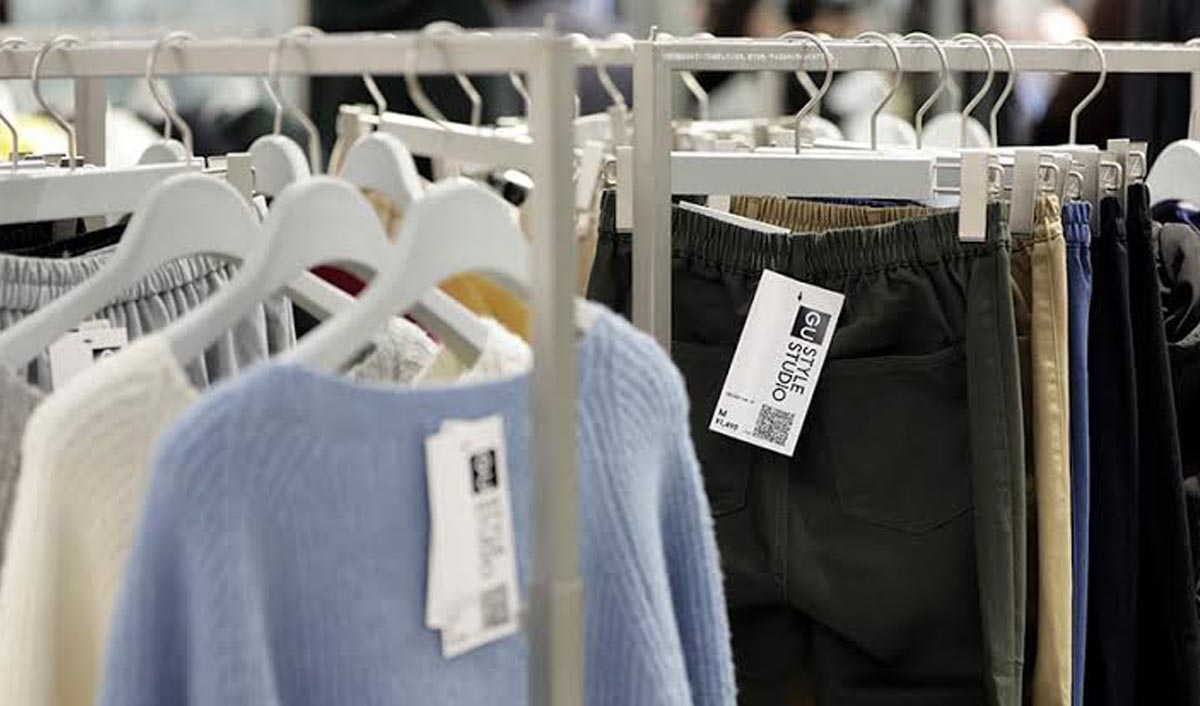
Thread of Innovation: Asia Fast Fashion Revolution Unravelled in Style and trend

Introduction
Fast fashion refers to inexpensive clothing collections that mimic current fashion trends. It allows the average consumer to purchase trendy, on-trend clothing at affordable prices. Over the past few decades, Asia has emerged as a dominant force in the fast fashion industry. Countries like China, India, Bangladesh and Vietnam have been able to produce clothing quickly and at low costs, allowing fast fashion retailers to refresh their stock more frequently. The success of Asia fast fashion market from a combination of efficient supply chains, lower manufacturing costs and proximity to key markets.
China’s Pioneering Role
China was one of the earliest Asian countries to gain prominence in fast fashion production. By the late 1990s and early 2000s, Chinese factories had mastered quick turnaround times and economies of scale. This allowed them to produce basic styles atthrowaway prices. Major global fast fashion retailers like H&M, Zara and Forever 21 sourced significant portions of their collections from China. The country’s massive workforce, developed infrastructure and special economic zones incentivized foreign investment. With international buyers flocking to China, entire supply chains were replicated to carry out each stage of the production process, from fabric dyeing to packaging. This helped attain turnaround times as low as 4 weeks.
Spread Across South and Southeast Asia
As production costs in China started rising in the late 2000s, fast fashion companies began exploring other lower-cost Asian nations. Countries like India, Bangladesh, Vietnam and Cambodia emerged as attractive sourcing destinations. Their advantages included lower minimum wages, tax incentives and bilateral/regional trade agreements providing duty-free access to important consumer markets like the European Union and United States. For instance, Bangladesh leveraged its young workforce and focused on low unit-cost products like T-shirts, basics and knitwear, gaining domination in these categories. Meanwhile, Vietnam optimized its supply chain integration and quality control to attract higher-value orders.
Sophisticated Supply Chain Management
Over the years, Asian fast fashion manufacturers have honed sophisticated supply chain models optimized for quick production turns. They maintain vast fabric, trim and component inventories to facilitate just-in-time manufacturing. Complex tracking systems ensure raw materials are available as and when required by individual production lines. Digital technologies facilitate more responsive planning based on real-time sales data from retailers. Smaller batch sizes allow adapting designs on the fly. Lean manufacturing practices minimize changeover times between styles. Dedicated shipping lanes and strategic port locations facilitate ultra-fast deliveries. All these advances have allowed lead times to shrink dramatically, sometimes down to as little as 2 weeks.
Emergence of Domestic Fast Fashion Brands
While foreign retailers led Asia’s integration into global fast fashion networks initially, local players soon emerged. Countries like India and China saw the rise of affordable, trend-conscious domestic fast fashion brands in the late 2000s. Examples include Vero Moda, ONLY and BIBA in India as well asSTYLE and UNIQUE in China. These brands tapped burgeoning middle-class populations looking for on-trend Western styles at affordable Asian prices. Operating predominantly offline via owned stores, they gained strong understandings of regional tastes. This helped expand the Asian fast fashion sector beyond being a pure sourcing hub. Domestic giants also spearheaded collaborations blending local techniques with global influences.
Market Outlook
The fast fashion market remains upbeat, driven by continuing demand for affordable trendy clothing worldwide. Asia is well-positioned for further dominance due to its sheer scale of low-cost production capabilities and growing domestic consumption. While China’s costs are rising, other nations still offer compelling value. Fast adaptation of 4IR technologies will boost supply chain agility. Meanwhile, local brands are expanding globally online and via partnerships. For more detailed insights into the Asia fast fashion industry landscape and projections, refer to the comprehensive market research report published on CoherentMI. Growth will continue across both B2C and B2B segments. However, sustainability pressures may impact future strategies, with recyclability gaining importance.


