
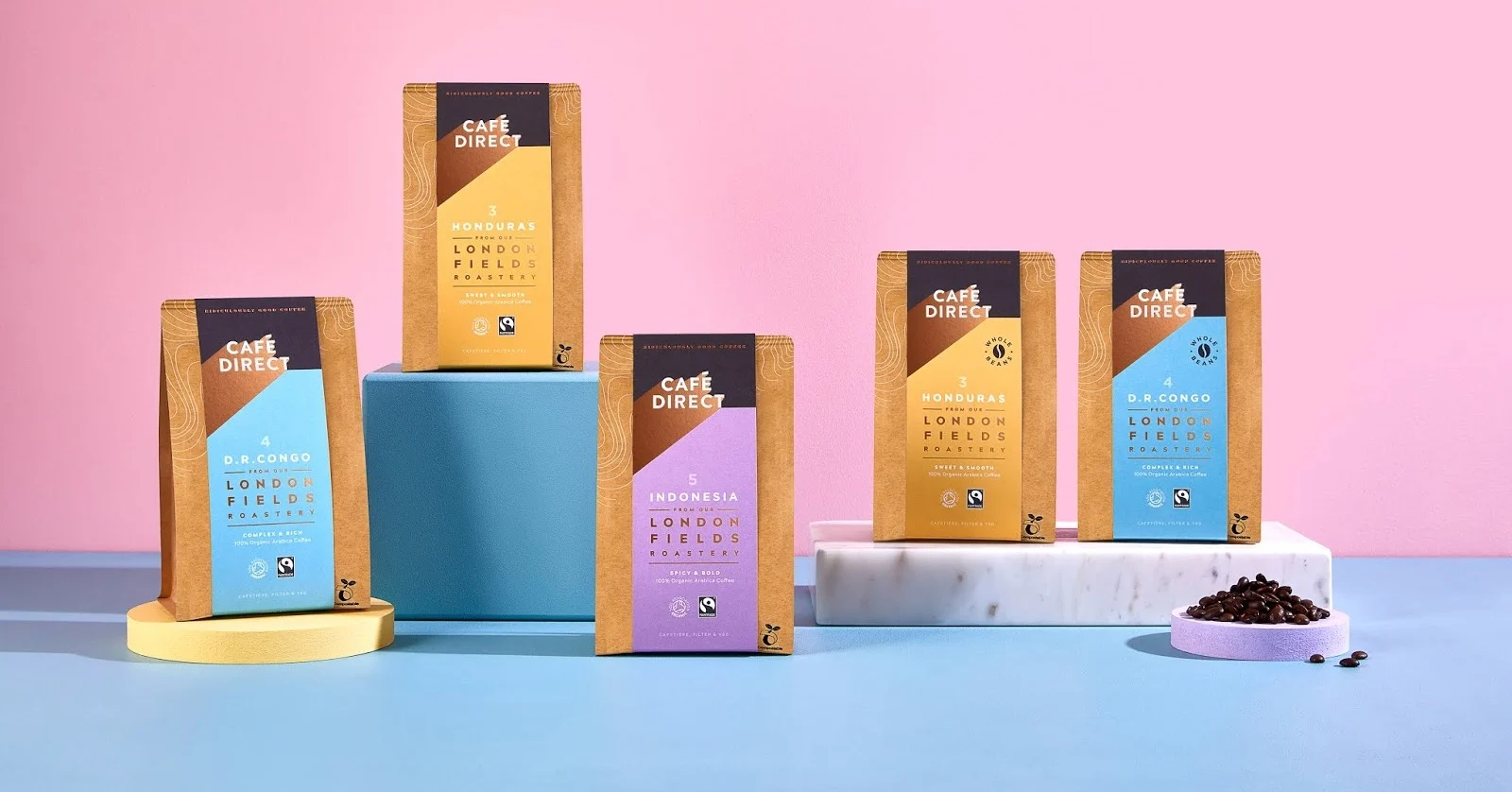
5 Eco-Packaging Ideas That Won’t Break the Bank

Amidst the current period of elevated ecological consciousness, companies are progressively seeking economical and eco-friendly packaging options. Thankfully, adopting eco-friendly habits doesn’t have to break the bank. This tutorial reveals five creative and affordable eco-packaging solutions that will not only fit your budget but also help the environment.
1. Repurposed and Upcycled Packaging: Transforming Waste into Value
Not only can materials for packaging be used and upcycled to save costs, but it also helps the environment. To make distinctive and environmentally responsible sustainable packaging, think about repurposing leftover or surplus materials from your manufacturing procedures. For example, repurposed cardboard can be made into strong, visually appealing boxes. Investigate joint ventures with nearby companies or craftspeople that specialize in repurposing materials. Working together with them can bring you affordable, personalized packaging options that support environmental objectives. Reusing materials helps reduce waste and gives your package a unique look that demonstrates your dedication to environmental responsibility and creative design.
2. Minimalistic Design: Reducing Costs and Environmental Footprint
Adopting a minimalist design approach for your packaging lowers expenses and mitigates the negative environmental effects of unnecessary material use. Select designs that are clear and uncomplicated and highlight the key elements of your company and offering. Modern aesthetics find minimalism appealing, and it also fits with ecological methods. Make intelligent material choices for packaging, looking for possibilities that are affordable and environmentally beneficial. For example, minimally printed cardboard or recycled paper can communicate an eco-friendly message without the need for over-the-top frills. Simplifying your design not only uses less material but also makes packaging and shipping more efficient, which lowers prices all around. You can make packaging that is in line with eco-friendly principles and visually attractive by using a minimalist approach. For instance, if you’re in the candle business, opting for a minimalist design approach in your custom candle packaging can greatly enhance your brand’s identity by embodying values of sustainability and simplicity.
3. Lightweight Packaging: Cutting Costs and Carbon Footprint
A simple yet efficient method of cutting expenses and lowering your carbon footprint is to lighten the weight of the materials you use for packing. Not only does lightweight packing use less raw materials, but it also lowers emissions and shipping costs. Think of using materials like corrugated cardboard or biodegradable polymers, which are naturally lightweight yet still durable. Make sure your packing materials are as thick as possible without sacrificing their protective capabilities. This helps save resources in addition to saving money on materials. Lighter packages also mean lower shipping costs, so this is a two-fold win for companies trying to strike a compromise between sustainability and cost. You can show that you are committed to environmental responsibility and financial effectiveness by giving lightweight packaging priority.
4. Smart Sizing: Right-Packaging for Cost-Effective Sustainability
Using clever sizing techniques is one of the best methods to guarantee eco-packaging that is both economical and sustainable. Adjust the proportions of your package so that it fits your goods tightly and uses less material. This lowers expenses while also reducing the quantity of packed trash produced. Effective use of space is very important for e-commerce enterprises; thus, smart size is especially important. Look at packaging options that can be altered to accommodate various product sizes falling inside a certain range. This flexibility guarantees that you can accommodate different product dimensions while keeping a consistent package design. Adopting sensible sizing techniques helps you utilize resources more efficiently, cut waste, and make packaging that is economical and eco-friendly.
5. Biodegradable Packaging: Cost-Effective Sustainability for the Future
Growing demand and improvements in manufacturing techniques have made biodegradable packaging a more affordable and environmentally beneficial solution. Plant-based polymers and bioplastics are two materials that provide a good substitute for conventional plastics. Even if they can initially cost a little more, they are still a wise investment in the long run due to the advantages they provide for the environment and the economy. Investigate joint ventures with vendors who provide affordable biodegradable materials. Further cost reductions might result from economies of scale as demand for these materials increases. Biodegradable packaging responds to customer concerns about plastic pollution while also being in line with environmental standards. Investing in biodegradable solutions puts your company at the forefront of the sustainable green packaging revolution and demonstrates your environmentally conscious mindset.
Conclusion
These five strategies—Repurposed and Upcycled Packaging, Minimalistic Design, Lightweight Packaging, Smart Sizing, and Biodegradable Packaging—offer workable and affordable answers for those seeking environmentally responsible packaging without breaking the budget. By putting these suggestions into practice, you not only save expenses but also support a more ethical and sustainable company strategy. Recall that being environmentally responsible doesn’t have to be costly; in fact, it can be a wise and economical decision that benefits the environment and your clients.


