
Purifying Liquid Lifeline: Exploring the Importance and Types of Water Filters
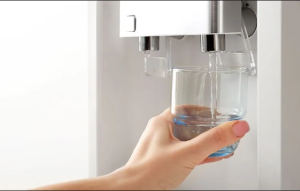
Water is undeniably one of the most essential elements for sustaining life. However, with increasing environmental pollution and contamination, access to clean and safe drinking water has become a growing concern globally. In response to this challenge, the invention and widespread adoption of water filters have emerged as a vital solution, offering a means to purify water and safeguard public health.
The Importance of Water Filters:
Water filters play a pivotal role in removing impurities, contaminants, and potentially harmful substances from water, ensuring its safety for consumption and various other purposes. The significance of water filters can be understood through several key aspects:
- Health Protection: Contaminated water can harbor various pathogens, including bacteria, viruses, and parasites, leading to waterborne diseases such as cholera, typhoid, and dysentery. Water filters effectively trap and eliminate these microorganisms, thereby reducing the risk of waterborne illnesses and promoting public health.
- Chemical Removal: Apart from microbial contaminants, water sources may also contain chemicals such as chlorine, lead, mercury, pesticides, and industrial pollutants. These substances can have adverse effects on human health, ranging from neurological disorders to carcinogenicity. Water filters equipped with activated carbon or other specialized media can effectively absorb or neutralize these chemicals, making the water safe for consumption.
- Improved Taste and Odor: In addition to health concerns, water filters also enhance the taste, odor, and overall quality of water by eliminating unpleasant odors and flavors caused by dissolved compounds and organic matter.
- Environmental Sustainability: By providing a means to purify tap water, water filters reduce the reliance on bottled water, thereby minimizing plastic waste and environmental pollution associated with plastic bottles.
Types of Water Filters:
Water filters come in various types and configurations, each designed to target specific contaminants and tailored to different needs and preferences. Some common types of water filters include:
- Activated Carbon Filters: These filters utilize activated carbon, which is highly porous and has a large surface area, to adsorb and trap organic compounds, chlorine, and certain chemicals. Activated carbon filters are effective in improving taste and odor and removing some common contaminants.
- Reverse Osmosis (RO) Systems: RO systems employ a semipermeable membrane to remove a wide range of contaminants, including dissolved solids, heavy metals, and microbes, by forcing water through the membrane under pressure. RO systems are highly efficient but may produce wastewater in the process.
- UV Water Purifiers: UV purifiers use ultraviolet light to deactivate and sterilize bacteria, viruses, and other microorganisms present in water, rendering them harmless. UV purification is a chemical-free method that does not alter the taste or chemical composition of water.
- Gravity Filters: Gravity filters rely on the force of gravity to move water through a filtration medium, typically ceramic, carbon, or sediment filters. These filters are commonly used in camping, hiking, and emergency situations where electricity or plumbing is not available.
- Ion Exchange Filters: Ion exchange filters work by replacing harmful ions with beneficial ones, such as exchanging calcium and magnesium ions with sodium ions to soften water or removing heavy metals like lead and cadmium by exchanging them with harmless ions.
Conclusion:
Water filters serve as indispensable tools in ensuring access to clean, safe, and potable water for households, communities, and industries worldwide. By employing various filtration mechanisms and technologies, water filters effectively remove contaminants, improve water quality, and contribute to safeguarding public health and environmental sustainability. As the global demand for clean water continues to escalate, the importance of water filters in securing this precious resource cannot be overstated. Investing in high-quality water filtration systems and promoting awareness about water conservation and purification practices are crucial steps towards addressing the challenges of water pollution and ensuring a healthier, more sustainable future for all.


