
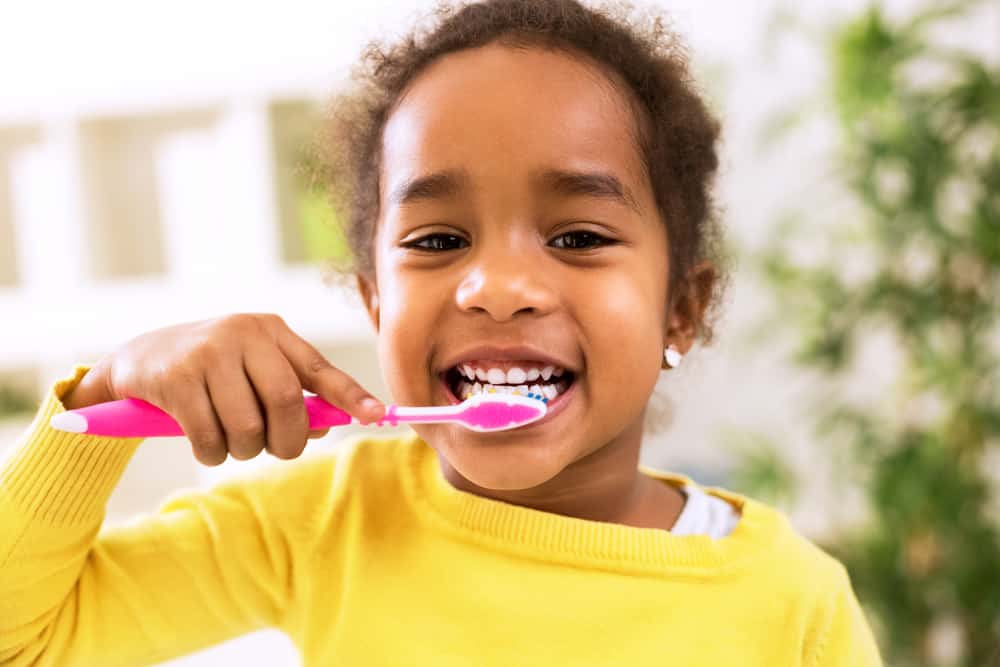
Giggles & Grins: Navigating the World of Baby Toothbrushes and Toothpaste
Maintaining good oral hygiene from an early age is paramount for a child’s overall health and well-being. Among the array of products available, choosing the best toothpaste for toddlers is a crucial step in fostering healthy dental habits. In this comprehensive guide, we’ll delve into the intricacies of baby toothbrushes and toothpaste to help parents navigate this vital aspect of infant care.
Choosing the Right Baby Toothbrush
When it comes to selecting a toothbrush for your little one, there are several factors to consider. Firstly, the size and shape of the brush should be appropriate for your baby’s age and mouth size. Opting for a soft-bristled brush is essential to prevent any potential damage to delicate gums and emerging teeth.
Types of Baby Toothbrushes: Baby toothbrushes come in various shapes and sizes to accommodate the unique needs of infants and toddlers. Finger brushes, for instance, fit snugly over an adult’s finger, allowing for greater control and precision during brushing. Silicone brushes feature soft, flexible bristles that are gentle on sensitive gums, while traditional brushes boast small heads and ultra-soft bristles designed specifically for tiny mouths.
Features to Look For: When selecting a baby toothbrush, consider features that enhance convenience and ease of use. Non-slip handles provide a secure grip, reducing the risk of accidental slips during brushing sessions. Additionally, ergonomic designs cater to both parent and baby comfort, making the brushing experience more enjoyable for both parties.
Understanding Baby Toothpaste
While some may question the necessity of toothpaste for infants, it plays a crucial role in maintaining oral health. Baby toothpaste differs from adult toothpaste in its formulation, typically containing minimal or no fluoride to prevent ingestion-related risks. Instead, it often incorporates gentle cleansing agents and natural flavors to appeal to young palates.
Components of Baby Toothpaste: Baby toothpaste formulations prioritize safety and efficacy, often featuring mild abrasives to remove plaque and food particles without irritating them. Ingredients such as xylitol, a natural sweetener, may be included to discourage cavity-causing bacteria. Some variants may also incorporate soothing agents like chamomile or aloe vera to alleviate gum discomfort.
Safety Considerations: When selecting a baby toothpaste, safety should be paramount. Opt for products specifically formulated for infants and toddlers, avoiding those with artificial additives or potential allergens. Look for the American Dental Association (ADA) Seal of Acceptance, which indicates that the product has undergone rigorous testing for safety and effectiveness.
Recommended Oral Hygiene Practices for Babies
Establishing a dental care routine early on sets the foundation for lifelong oral health. Begin by gently cleaning your baby’s gums with a soft cloth or gauze pad after feedings to remove any residue. Once teeth emerge, transition to a soft-bristled baby toothbrush and a smear of toothpaste, gradually increasing the amount as your child grows.
Techniques for Brushing: Proper brushing techniques are paramount for effective plaque removal and gum stimulation. Use gentle, circular motions to clean all tooth surfaces and along the gumline, paying extra attention to areas where teeth meet. For infants, parents can use a damp cloth or silicone finger brush to gently massage the gums, promoting healthy circulation and soothing teething discomfort.
Frequency of Brushing: Aim to brush your baby’s teeth at least twice a day, ideally after breakfast and before bedtime. Establishing a consistent routine helps instill good habits early on and reinforces the importance of oral hygiene. As your child grows older, encourage independent brushing under supervision, gradually transitioning to full autonomy as they develop the necessary skills.
Dental Visits: Regular dental check-ups are essential for monitoring your baby’s oral health and addressing any concerns promptly. Schedule the first dental visit by your child’s first birthday or within six months of the eruption of their first tooth. During these appointments, the dentist can assess dental development, provide guidance on oral hygiene practices, and offer preventive treatments such as fluoride varnish application.
Common Mistakes to Avoid
Despite the best intentions, parents may inadvertently make mistakes when it comes to their baby’s oral hygiene. One common error is using adult toothpaste, which contains higher levels of fluoride and may pose risks if swallowed. Additionally, neglecting oral hygiene during infancy can lead to dental issues later in life, emphasizing the importance of starting a routine early on.
Choosing the Wrong Toothpaste: Using adult toothpaste for babies can expose them to excessive fluoride, which may cause fluorosis or gastrointestinal discomfort if ingested. Opt for fluoride-free or low-fluoride toothpaste specifically formulated for infants and toddlers to minimize potential risks.
Inconsistent Brushing: Maintaining a consistent brushing routine is essential for optimal oral health. Skipping brushing sessions or neglecting proper technique can allow plaque to accumulate, increasing the risk of tooth decay and gum disease. Make brushing a priority in your daily routine and ensure that both parents and caregivers are aware of the importance of oral hygiene practices.
Conclusion
In the journey of parenthood, every decision from the type of baby toothbrush to the choice of toothpaste plays a vital role in shaping your child’s well-being. By prioritizing oral hygiene and adhering to recommended practices, you lay the groundwork for a lifetime of healthy smiles. Remember, consistency and diligence are key, so embrace the giggles and grins that accompany each brushing session, knowing that you’re nurturing your baby’s dental health with care and compassion. With the right tools and techniques, you can help your little one embark on a lifetime of oral health and happiness.


