
The Secrets to Successful Stroke Rehabilitation
Understanding Stroke and Its Consequences
Causes and Risk Factors
Strokes can be classified into two main types: ischemic strokes, which occur when a blood vessel supplying blood to the brain gets blocked, and hemorrhagic strokes, which happen when a blood vessel ruptures. Recognising the risk factors associated with stroke can help in prevention and early intervention.
Non-modifiable risk factors include age and genetics; as we age, our risk of stroke increases. On the other hand, several modifiable factors—such as high blood pressure, diabetes, obesity, and smoking—can be managed through lifestyle changes and medical treatment. Addressing these risk factors is essential for reducing the likelihood of a stroke occurring in the first place.
Physical and Cognitive Effects
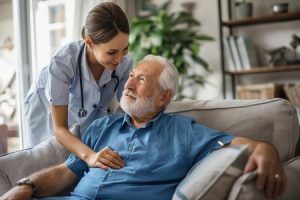
The effects of a stroke can vary widely, depending on the area of the brain affected. Common physical impairments include weakness or paralysis on one side of the body, difficulties with coordination, and problems with balance. These issues can make everyday tasks feel overwhelming and may require extensive rehabilitation to overcome.
Cognitive impairments can also be significant. Many stroke survivors face challenges with memory, attention, and problem-solving. Some may have difficulty with language, finding it hard to speak or understand others. Emotional and psychological effects should not be overlooked; depression and anxiety are common in stroke survivors, as they navigate their new reality.
The Role of Physiotherapy in Stroke Rehabilitation
Overview of Physiotherapy
Physiotherapy plays a crucial role in helping stroke survivors regain mobility and function. The primary objective of physiotherapy is to enhance physical capabilities through targeted exercises and interventions. Physiotherapists employ various techniques, including manual therapy and exercise therapy, to address specific impairments and improve overall physical function.
Physiotherapy Assessment
Before any rehabilitation begins, a comprehensive assessment by a physiotherapist is essential. This initial evaluation involves examining the patient’s physical capabilities, identifying strengths and weaknesses, and understanding their individual goals. Physiotherapists assess functional mobility, balance, and strength, which helps to inform the development of a personalised rehabilitation plan. Setting clear and achievable goals is vital for keeping patients motivated and engaged in their recovery journey.
Physiotherapy Interventions
Early Mobilisation
Early mobilization is one of the most critical aspects of stroke rehabilitation. Research has shown that getting patients moving as soon as possible after a stroke can lead to better outcomes. Physiotherapists work closely with patients to encourage movement, whether that’s sitting up in bed, standing, or taking their first steps. These early interventions can help prevent complications, such as muscle stiffness and pressure sores, while also promoting overall recovery.
Strength and Endurance Training
Building strength and endurance is essential for stroke survivors. Physiotherapists design tailored exercise programs to improve muscle strength and cardiovascular fitness. These programs may include resistance exercises, balance training, and aerobic activities such as walking or cycling. The goal is not only to enhance physical capabilities but also to instill confidence in patients as they regain control over their bodies.
Gait Training
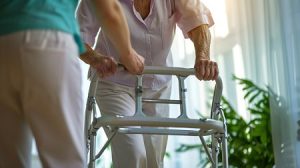
Gait training is a vital component of stroke rehabilitation. Many stroke survivors experience difficulty walking due to weakness or coordination issues. Physiotherapists use various techniques to retrain walking patterns, which may involve the use of assistive devices, such as walkers or canes, to support mobility. Repetitive practice is crucial, and physiotherapists often simulate real-life situations to help patients develop functional walking skills.
Balance and Coordination Training
Improving balance and coordination can significantly impact a stroke survivor’s ability to perform daily activities. Physiotherapists incorporate exercises aimed at enhancing stability and reducing the risk of falls. This training may involve activities that challenge the patient’s balance, such as standing on one leg or navigating obstacles. Functional activities are often included to help patients regain confidence in their movement.
Task-Specific Training
Task-specific training focuses on helping patients regain the ability to perform activities of daily living (ADLs). This might include grooming, dressing, cooking, or even returning to work. Physiotherapists work with patients to identify specific goals related to these tasks and develop practice sessions to help them achieve their independence. Repetitive practice of these functional tasks can lead to meaningful improvements in daily life.
Multidisciplinary Approach to Rehabilitation
Importance of a Team Approach
Stroke rehabilitation often requires a team of healthcare professionals working together to provide comprehensive care. This multidisciplinary approach typically includes physiotherapists, occupational therapists, speech therapists, and psychologists. Each team member brings their expertise to address different aspects of recovery, ensuring a holistic approach to patient care.
Family members and caregivers also play a crucial role in the rehabilitation process. Their involvement can provide emotional support, assist with daily activities, and encourage participation in therapy sessions. A collaborative effort between the healthcare team and the patient’s support network can significantly enhance the recovery experience.
Individualised Rehabilitation Plans
Every stroke survivor’s experience is unique, and rehabilitation plans must be tailored to meet individual needs. Physiotherapists work closely with patients to create personalised rehabilitation strategies that focus on specific goals. These plans are regularly reviewed and adjusted based on the patient’s progress, ensuring that the interventions remain relevant and effective.
Psychological and Emotional Support
Addressing Mental Health Issues
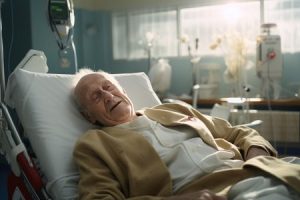
Navigating the aftermath of a stroke can be an emotional rollercoaster. Many survivors experience depression, anxiety, or feelings of frustration and loss. Addressing these mental health issues is an essential part of the rehabilitation process. Support groups, counselling, and open communication with healthcare providers can be invaluable resources for patients struggling with their emotional well-being.
Importance of Motivation and Goal-Setting
Motivation plays a critical role in successful rehabilitation. Physiotherapists encourage patients to set realistic and achievable goals, fostering a sense of accomplishment as they make progress. Regularly celebrating small victories can keep patients motivated and engaged, helping them stay focused on their recovery journey.
Challenges in Stroke Rehabilitation
Common Barriers to Rehabilitation
While the journey of rehabilitation after a stroke is vital, it is not without its challenges. Many stroke survivors encounter physical barriers, such as pain, fatigue, and weakness, which can hinder their ability to participate in therapy fully. For instance, individuals may struggle to find the energy to engage in exercises or may experience discomfort during certain movements, making the rehabilitation process feel daunting.
Psychological barriers also play a significant role. Many survivors grapple with feelings of frustration, sadness, or fear of failure. This emotional turmoil can create a reluctance to participate in therapy, slowing progress and potentially leading to a cycle of inactivity and disengagement. Recognising these barriers is essential for healthcare providers so they can implement strategies to address them, fostering a more supportive environment for recovery.
Access to Rehabilitation Services
Another significant challenge is access to rehabilitation services. Unfortunately, not everyone has the same access to high-quality care, and socioeconomic factors can create disparities in recovery opportunities. Those living in rural areas may find it difficult to reach rehabilitation centres, while financial constraints might limit the number of sessions patients can afford.
Telehealth has emerged as a valuable solution, offering virtual therapy sessions that can increase accessibility for many individuals. This approach allows stroke survivors to engage with their healthcare team from the comfort of their own homes, making it easier to attend regular sessions and receive ongoing support.
Outcomes of Rehabilitation
Measuring Success in Rehabilitation
The success of rehabilitation after a stroke is often measured by various functional outcomes. These can include improvements in mobility, independence, and the ability to perform activities of daily living (ADLs). Healthcare providers regularly assess these metrics to gauge progress and determine the effectiveness of rehabilitation strategies.
Additionally, measuring the quality of life is a crucial aspect of evaluating rehabilitation outcomes. Many stroke survivors report an enhanced sense of well-being and satisfaction as they regain control over their lives. Understanding these broader outcomes can help guide future rehabilitation practices and interventions.
Long-Term Benefits
The long-term benefits of rehabilitation are significant. Many stroke survivors who actively participate in rehabilitation can experience reduced rates of disability and improved overall health. The skills and strategies learned during therapy often extend beyond the rehabilitation setting, empowering individuals to continue their recovery journey independently.
Moreover, ongoing support and follow-up care can play a pivotal role in maintaining progress. Regular check-ins with healthcare professionals can help identify any emerging issues and provide continued encouragement, reinforcing the importance of sustained effort in recovery.
Conclusion
In conclusion, rehabilitation after a stroke is a multifaceted process that requires a comprehensive and tailored approach. Physiotherapy plays an essential role in helping survivors regain mobility, independence, and confidence in their daily lives. By addressing physical, cognitive, and emotional challenges, healthcare providers can support individuals as they navigate their recovery journey.
As stroke rehabilitation continues to evolve, it is crucial to emphasise the importance of early intervention, a multidisciplinary approach, and ongoing support. By recognising the barriers faced by stroke survivors and working collaboratively to overcome them, we can improve outcomes and enhance the quality of life for those affected by stroke. The road to recovery may be long, but with determination, support, and the right resources, many individuals can reclaim their independence and find new hope after a stroke.
References
-
- American Stroke Association. (n.d.). Stroke Rehabilitation. Retrieved from www.stroke.org.
- National Institute of Neurological Disorders and Stroke. (2021). Post-Stroke Rehabilitation. Retrieved from www.ninds.nih.gov.
- World Health Organization. (2021). Rehabilitation: A Global Perspective. Retrieved from www.who.int.
- Mayo Clinic. (n.d.). Stroke Rehabilitation: Recovering from a Stroke. Retrieved from www.mayoclinic.org.
- Applied Motion. (n.d.). Physiotherapy Interventions. Retrieved from appliedmotion.com.au.


