
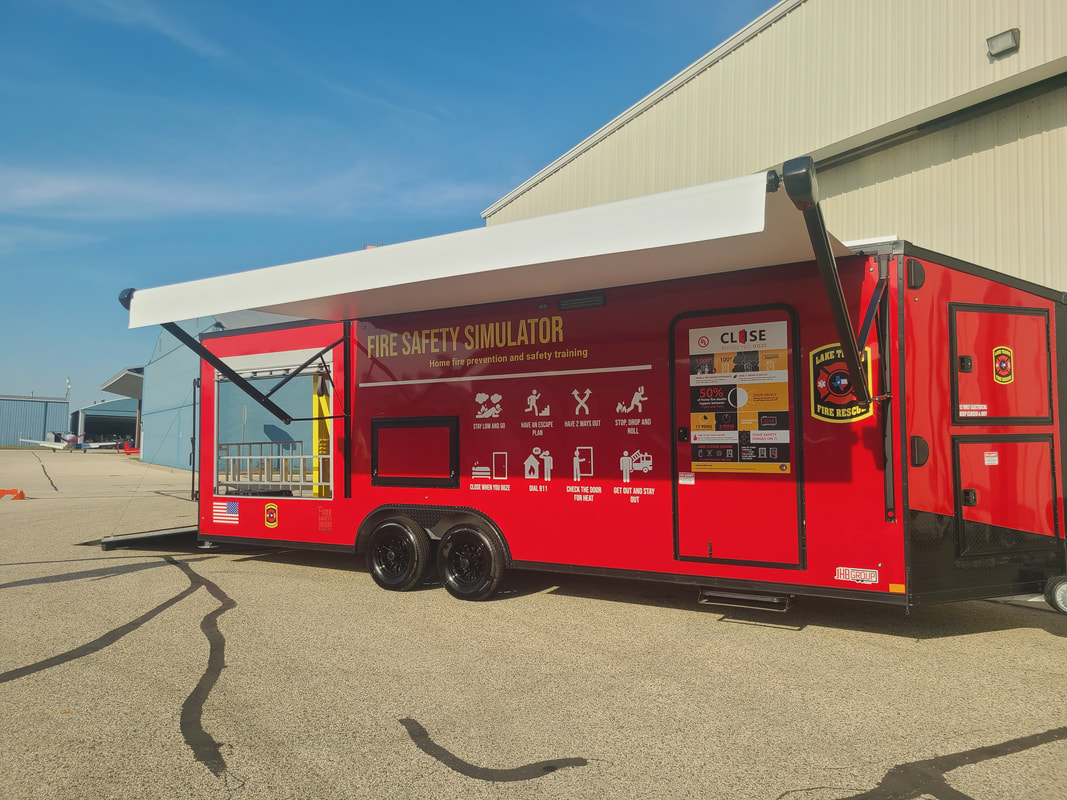
Fire Safety Trailer Comparison: Which Model Suits Your Needs?
Fire safety trailers are essential for educating communities about fire prevention, safety measures, and emergency response procedures. These mobile units serve as interactive learning spaces equipped with simulations and demonstrations to teach people of all ages how to stay safe in the event of a fire. With various models available in the market, choosing the right fire safety trailer can be overwhelming. This comprehensive guide will compare different models to help you determine which one best suits your needs.
Understanding Fire Safety Trailers
Fire safety trailers are specially designed vehicles or trailers equipped with various props, simulations, and educational materials to teach fire safety and prevention. Fire departments, schools, community organizations, and businesses often use them to conduct fire safety education programs. These trailers typically feature mock living spaces, kitchen areas, bedrooms, and other common areas where fire hazards can occur. They also incorporate smoke machines, heat generators, and other simulation tools to recreate fire scenarios realistically.
Key Features to Consider
When evaluating fire safety trailers, several key features should be taken into account to ensure they meet your specific requirements:
- Size and Layout: Consider the size and layout of the trailer, as well as the number of compartments and rooms available for simulations. A spacious layout allows for more realistic scenarios and better engagement during training sessions.
- Simulations and Props: Look for trailers equipped with a variety of simulations and props, such as smoke machines, heat generators, fire extinguishers, and emergency exit drills. These elements enhance the learning experience and provide practical hands-on training.
- Technology Integration: Evaluate whether the trailer incorporates modern technology, such as audiovisual systems, interactive displays, and computer simulations. These features can enhance the effectiveness of training programs and engage participants more effectively.
- Mobility and Accessibility: Consider the trailer’s mobility and accessibility, including ease of transportation, setup, and operation. Trailers with adjustable leveling systems, ramps, and ADA-compliant features ensure accessibility for all participants.
- Customization Options: Some manufacturers offer customization options, allowing you to tailor the trailer to your specific needs and preferences. This may include branding, signage, interior design, and additional features based on your organization’s requirements.
Comparison of Fire Safety Trailers
Now, let’s compare some popular fire safety trailer models available in the market:
Model A – Standard Fire Safety Trailer
- Size and Layout: Model A features a compact design with multiple compartments for simulations, including a kitchen area, living room, bedroom, and hallway.
- Simulations and Props: This model includes basic simulations such as smoke generation, fire extinguisher training, and exit drills. However, the range of props and simulations is limited compared to more advanced models.
- Technology Integration: Model A is equipped with basic audiovisual systems for instructional purposes but lacks advanced technology features.
- Mobility and Accessibility: This trailer is designed for easy transportation and setup, with standard leveling systems and accessibility features.
- Customization Options: Limited customization options are available for branding and interior design.
Model B – Advanced Fire Safety Trailer
- Size and Layout: Model B offers a spacious layout with multiple rooms and compartments for simulations, allowing for more complex scenarios and training exercises.
- Simulations and Props: This model features advanced simulations such as programmable smoke generation, heat sensors, and interactive fire scenarios. It also includes a wide range of props for realistic training experiences.
- Technology Integration: Model B incorporates state-of-the-art technology, including interactive displays, virtual reality simulations, and remote monitoring systems for enhanced training effectiveness.
- Mobility and Accessibility: Despite its larger size, Model B is designed for easy mobility and accessibility, with hydraulic leveling systems and ADA-compliant features.
- Customization Options: Extensive customization options for branding, interior design, and additional features tailored to specific training needs are available.
Model C – Budget-Friendly Fire Safety Trailer
- Size and Layout: Model C offers a compact and economical design suitable for organizations with budget constraints. Despite its smaller size, it still provides essential compartments for basic simulations.
- Simulations and Props: While Model C may lack some advanced simulations found in higher-end models, it still includes essential props such as smoke machines, fire extinguishers, and emergency exit drills.
- Technology Integration: This model features basic audiovisual systems for instructional purposes but may lack advanced technology features found in more expensive models.
- Mobility and Accessibility: Model C is designed for easy transportation and setup and has standard mobility features suitable for small-scale educational events.
- Customization Options: Limited customization options, primarily focused on branding and basic interior design modifications, may be available.
Choosing the Right Fire Safety Trailer
When selecting a fire safety trailer for your organization or community, consider your specific needs, budget, and training objectives. Here are some factors to keep in mind:
- Training Requirements: Assess the level of training you intend to provide and choose a trailer that offers the appropriate simulations and props to meet those requirements.
- Budget Constraints: Determine your budget and explore models that offer the best value for money while meeting your essential training needs.
- Long-Term Use: Consider the trailer’s longevity and durability, as well as the availability of maintenance and support services from the manufacturer.
- Community Engagement: Choose a trailer that effectively engages your target audience and facilitates interactive learning experiences to promote fire safety awareness.
Conclusion
Fire safety trailers play a crucial role in educating communities about fire prevention and emergency response procedures. By comparing different models based on key features such as size, layout, simulations, technology integration, mobility, accessibility, and customization options, you can select the model that best suits your organization’s needs and objectives. Whether you opt for a standard model, an advanced model with state-of-the-art features, or a budget-friendly option, investing in a fire safety trailer is a proactive step toward promoting fire safety and protecting lives within your community.
Remember, fire safety is everyone’s responsibility, and with the right training and resources, we can work together to prevent and minimize the impact of fires in our communities.