
How Can Smartwatch Insights Reduce Cycling Injury Risk?
Cycling injuries often develop quietly. They begin with subtle fatigue, uneven effort, or a slight change in posture, and gradually grow into strains or overuse problems. Cyclists who understand their physical signals early protect themselves far better than those who rely only on intuition. Smartwatches make this easier by tracking indicators related to effort, recovery, and terrain stress. Advanced models such as the HUAWEI WATCH GT 6 provide heart rate trends, altitude shifts, ride intensity curves, and fatigue-related insights directly on the wrist. These real-time cues help cyclists manage risk while still pushing toward performance goals. Whether riders train competitively or treat cycling as a regular cycling with a power meter, smartwatch-guided awareness keeps every journey safer and more controlled.
The Smartwatch Tools That Help Cyclists Detect Risk Early
Monitor Heart Rate Behavior to Prevent Overexertion
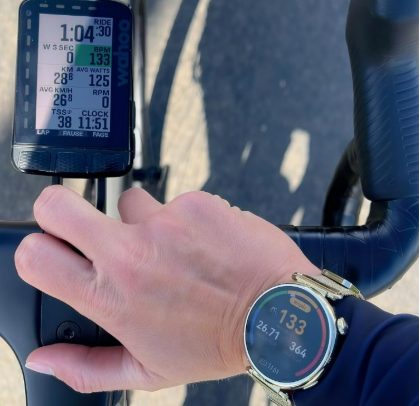
One of the clearest injury risks for cyclists is training beyond what their bodies can sustain. Overexertion increases muscle strain, reduces control, and raises the chance of sudden fatigue-related accidents. Heart rate monitoring helps cyclists detect this before it becomes dangerous. When your heart rate climbs unexpectedly on familiar routes or stays unusually high during recovery sections, your body signals stress you should not ignore. The HUAWEI WATCH GT 6 provides constant heart-rate tracking so cyclists can observe patterns in real time. During a ride, you see whether your effort stays within a healthy training zone or drifts into high-intensity territory without intention. After the ride, reviewing heart-rate curves helps you understand where effort spiked and why.
Track Fatigue Signals to Avoid Overtraining
Many cycling injuries come from accumulated fatigue rather than one intense session. Fatigue affects coordination, reaction time, and posture—all critical for injury prevention. Smartwatches equipped with recovery-related metrics help cyclists recognize these subtle signs before they interfere with performance. The HUAWEI WATCH GT 6 monitors Heart Rate Variability (HRV), stress levels, sleep stages, and respiratory rate. These indicators together show whether your body is rested or under strain. If HRV decreases, stress rises, or sleep quality drops for several days, your muscles may not fully recover between rides. Training hard during this state raises the risk of joint strain, back tightness, and even knee overuse conditions.
Use Real-Time Terrain Awareness to Maintain Safe Effort
Terrain often leads cyclists into risky situations. Steep climbs cause sudden spikes in force, while long descents demand controlled posture and braking. Unexpected elevation changes—if you are not prepared—can strain muscles and joints quickly. Smartwatches that track elevation and grade in real time give cyclists early warnings. The HUAWEI WATCH GT 6 displays live altitude trends and real-time gradient so riders understand how hard the next segment will be. If the gradient increases sharply, you can adjust your cadence and gear selection before hitting the slope. This prevents abrupt torque on the knees or quads. When reviewing rides afterward, elevation data helps cyclists identify which sections place the most stress on the body.
Turning Smartwatch Insights Into Safer Training Habits
Build Better Pacing Strategies That Reduce Strain
Pacing errors are one of the most common causes of cycling fatigue and injury. Starting too fast, pushing too hard on early climbs, or maintaining an unstable cadence all increase stress on muscles and joints. Smartwatch data provides a clear picture of how well cyclists pace themselves. During the ride, the HUAWEI WATCH GT 6 shows key metrics like heart rate, real-time grade, speed, and cycling virtual power. These insights help you adjust instantly. If your power or pace rises too quickly at the beginning of a climb, you can correct your effort before fatigue sets in. If your cadence fluctuates, that may signal inefficient pedaling that strains the knees. Post-ride analysis reinforces these lessons.
Let Recovery Insights Guide Your Weekly Training Rhythm
Recovery is one of the most overlooked components of injury prevention. Consistent training without adequate rest leads to chronic tightness, poor movement patterns, and stress accumulation in the muscles. Smartwatches help riders balance training and recovery by tracking patterns that reveal when the body needs more downtime. The HUAWEI WATCH GT 6 measures sleep stages, HRV, stress, and respiratory rate, giving cyclists a holistic view of their readiness each day. If sleep hours decrease or stress indicators rise, the watch signals that your body may not be ready for high-intensity riding. When cyclists adjust their plan accordingly, they avoid pushing through fatigue that could lead to strains.

Use Safety Features to Reduce Risk in Unexpected Situations

Cycling injuries are not limited to overuse. Environmental factors, accidents, and sudden terrain changes also contribute. Smartwatches with safety-focused features help riders respond quickly and stay protected during emergencies. The HUAWEI WATCH GT 6 includes fall detection using a long-range IMU sensor. If the watch identifies a fall, it prompts the rider and can automatically send an SOS message to selected contacts with location details. This adds a layer of safety for cyclists who ride solo or explore quiet routes. Navigation features also contribute to injury prevention.
Conclusion
Smartwatch insights reduce cycling injury risk by revealing the early signs of strain, fatigue, and inefficient effort. When cyclists track heart rate behavior, monitor recovery indicators, and understand how terrain influences stress, they make safer decisions on every ride. The HUAWEI WATCH GT 6 supports this process with detailed heart rate monitoring, altitude guidance, fatigue-related insights, and safety features that help cyclists respond to unexpected events. By turning these insights into better pacing, smarter recovery, and more controlled training routines, cyclists build long-term resilience and confidence. Effective injury prevention comes not from riding less, but from riding with greater awareness and smarter guidance.