

Navigating Auditory Health: Understanding the Different Types of Hearing Tests
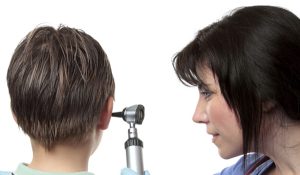
Hearing loss is a common condition that can greatly affect an individual’s quality of life. Fortunately, advancements in medical technology have made it possible to accurately assess hearing abilities through various types of hearing tests.
These tests play a crucial role in diagnosing hearing impairment and determining the most appropriate course of treatment. This article will explore the different types of hearing test London commonly used by healthcare professionals.
1. Pure Tone Audiometry
Pure tone audiometry is one of the most common tests to assess hearing sensitivity across different frequencies. The individual wears headphones during the test and listens to tones at various pitches and volumes.
They indicate when they can hear the tones by pressing a button or raising their hand. This test helps determine the softest sounds a person can listen to at different frequencies, providing valuable information about the degree and type of hearing loss.
2. Speech Audiometry
Speech audiometry assesses an individual’s capacity to perceive and comprehend speech. The test typically involves listening to recorded or live speech at different volumes and clarity levels. The individual may be asked to repeat words or sentences to assess their speech discrimination ability.
Speech audiometry helps determine how well a person can understand speech in quiet and noisy environments, essential for diagnosing certain types of hearing loss, such as sensorineural or conductive hearing loss.
3. Tympanometry
Tympanometry is a test that evaluates the middle ear’s function and the eardrum’s mobility (tympanic membrane). A probe is inserted into the ear canal during the test, and air pressure varies while tones are played.
This allows the healthcare professional to measure how the eardrum responds to changes in pressure. Tympanometry helps detect middle ear infections, eustachian tube dysfunction, or otosclerosis.
4. Otoacoustic Emissions (OAE) Test
Otoacoustic emissions (OAE) testing measures the inner ear’s (cochlea) sounds in response to stimuli, such as clicks or tones. A small probe with a microphone is placed in the ear canal, and sounds are played through the probe.
Otoacoustic emissions indicate normal cochlear function, while their absence may suggest hearing loss. OAE testing is often used in newborn hearing screenings and can help identify hearing loss in infants and young children.
5. Auditory Brainstem Response (ABR) Test
The auditory brainstem response (ABR) test evaluates the function of the auditory nerve and brainstem pathways involved in hearing. Electrodes are placed on the scalp, and the individual listens to clicks or tones through headphones.
The electrodes gauge the electrical activity produced by the auditory nerve and brainstem in response to auditory stimuli. ABR testing is commonly used to assess hearing in newborns, individuals with developmental disabilities, or those who cannot participate in conventional behavioral tests.
6. Electrocochleography (ECochG)
Electrocochleography (ECochG) is a test that measures the electrical activity of the cochlea in response to sound stimuli. It can help diagnose conditions such as Meniere’s disease, auditory neuropathy, or acoustic neuroma.
During the test, electrodes are placed on the scalp or ear canal, and sounds are played through headphones. ECochG provides valuable information about the function of the inner ear and auditory nerve, aiding in diagnosing and managing various auditory disorders.
Harnessing the Power of Hearing Tests for Enhanced Auditory Health
Hearing tests are essential tools for evaluating auditory health and diagnosing hearing loss. By understanding the different types of hearing tests available, healthcare professionals can accurately assess hearing abilities and tailor treatment plans to meet each patient’s individual needs. Need help in choosing the best hearing aids in NYC? Visit Audio Help Hearing Centers today!
Whether assessing hearing sensitivity, speech understanding, or the function of the auditory system, hearing tests play a vital role in preserving and improving auditory function for individuals of all ages.
Regular hearing screenings and evaluations are crucial for early detection and intervention, leading to better outcomes and improved quality of life for those with hearing impairment.