
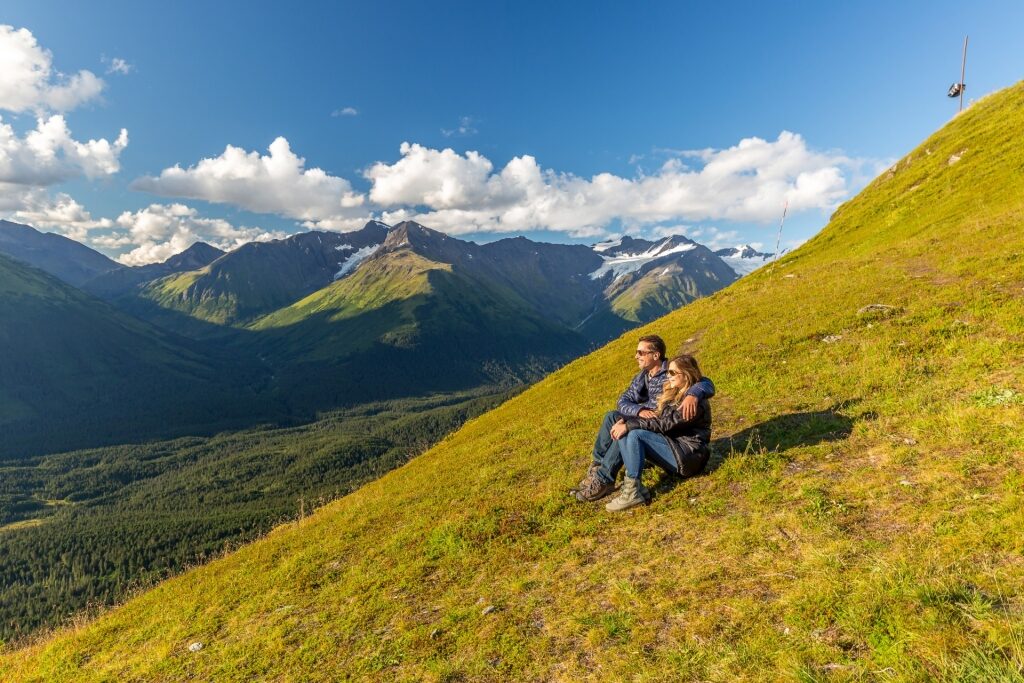
Photographing the Stunning Landscapes of Alaska: Tips and Techniques
Alaska, with its breathtaking landscapes, pristine wilderness, and dynamic weather, offers unparalleled opportunities for photographers. From towering glaciers and majestic mountains to tranquil forests and vibrant wildlife, every corner of this vast state presents a unique challenge and reward for capturing its beauty. Whether you are an amateur shutterbug or a seasoned professional, these tips and techniques will help you make the most of your Alaskan adventure and return home with stunning photographs.
1. Preparing for the Journey
Research Your Locations
Alaska is enormous, and its photographic opportunities vary greatly from one region to another. Spend time researching the locations you plan to visit. National parks like Denali, Kenai Fjords, and Glacier Bay each offer distinct landscapes and wildlife. Understanding what to expect in each area will help you prepare your gear and plan your shots.
Pack the Right Gear
Packing the right equipment is crucial for capturing high-quality images in Alaska’s diverse environments. Here’s a quick list of essential items:
- Camera and Lenses: A DSLR or mirrorless camera with a range of lenses from wide-angle to telephoto will cover most shooting scenarios. A wide-angle lens is excellent for sweeping landscapes, while a telephoto lens is perfect for wildlife and distant mountains.
- Tripod: A sturdy tripod is essential for low-light conditions, long exposures, and ensuring sharp images.
- Filters: Polarizing filters can enhance skies and reduce reflections, while ND filters allow for long exposures in bright conditions.
- Extra Batteries and Memory Cards: Cold weather can drain batteries quickly, so bring extras. Plenty of memory cards ensure you won’t run out of storage space.
- Protective Gear: Weatherproof camera bags and rain covers protect your equipment from the elements.
For a detailed list of all the essentials you should bring, refer to an Alaska cruise packing list, which can help you prepare comprehensively for your photographic journey.
2. Mastering Landscape Photography
Use the Rule of Thirds
The rule of thirds is a fundamental composition technique that can make your photos more engaging. Imagine your frame divided into nine equal parts by two horizontal and two vertical lines. Place key elements of your composition along these lines or at their intersections to create a balanced and visually pleasing image.
Capture the Golden Hours
The golden hours—shortly after sunrise and just before sunset—offer the best lighting conditions for landscape photography. The soft, warm light during these times adds depth and texture to your photos, creating a magical atmosphere. Plan your shoots around these times to take advantage of the beautiful lighting.
Include Foreground Interest
Adding elements in the foreground of your composition can create a sense of depth and scale. Rocks, flowers, trees, or even water reflections can lead the viewer’s eye into the scene and provide a sense of place.
Embrace Weather Conditions
Alaska’s weather can be unpredictable, but that’s part of its charm. Dramatic skies, fog, and mist can add mood and drama to your photos. Instead of waiting for perfect weather, learn to work with what you have and capture the unique beauty of the Alaskan climate.
3. Capturing Wildlife
Be Patient and Prepared
Wildlife photography requires patience and readiness. Animals are often unpredictable, so always have your camera set and ready. Use continuous shooting mode to increase your chances of capturing the perfect moment.
Use a Telephoto Lens
A telephoto lens (200mm or longer) is essential for photographing wildlife from a safe distance without disturbing the animals. This allows you to capture intimate details while respecting the animals’ space and safety.
Focus on the Eyes
In wildlife photography, the eyes are the window to the soul. Ensuring the eyes are in sharp focus can create a more engaging and emotive image. Use single-point autofocus to lock onto the eyes and create a strong focal point.
Understand Animal Behavior
Learning about the behavior of the wildlife you intend to photograph can greatly improve your chances of getting a good shot. Understanding feeding patterns, mating rituals, and typical habitats can help you anticipate and capture interesting moments.
4. Techniques for Capturing Glaciers and Ice
Highlight the Blue Hues
Glaciers often exhibit stunning blue colors due to the dense, compact ice that absorbs all colors of the spectrum except blue. Use a polarizing filter to enhance these hues and reduce glare from the ice.
Capture the Scale
To convey the immense size of glaciers, include elements that provide a sense of scale, such as boats, people, or surrounding landscapes. This can help viewers appreciate the grandeur of these natural wonders.
Experiment with Long Exposures
Long exposures can create ethereal effects with moving ice and water. Use an ND filter to achieve slower shutter speeds during the day, and try exposures of several seconds to smooth out water surfaces and create a dreamy, otherworldly appearance.
5. Embracing Aerial Photography
Helicopter and Plane Tours
Aerial tours offer a unique perspective on Alaska’s landscapes. Helicopter and small plane tours allow you to capture stunning views of glaciers, mountain ranges, and vast wilderness areas that are inaccessible by land.
Use a Fast Shutter Speed
When photographing from a moving aircraft, use a fast shutter speed (1/1000 sec or faster) to avoid motion blur. A high ISO setting can help achieve the necessary shutter speed, especially in low-light conditions.
Avoid Reflections
Shooting through aircraft windows can introduce reflections. Wear dark clothing to minimize reflections and press your lens against the window to reduce unwanted glare.
6. Post-Processing Tips
Enhance Natural Colors
Use post-processing software to enhance the natural colors of your Alaskan landscapes. Adjust the white balance, contrast, and saturation to bring out the vivid blues of glaciers, the greens of forests, and the golden hues of sunlight.
Maintain Realism
While editing can enhance your images, strive to maintain the natural beauty and realism of the scenes you captured. Avoid over-processing, which can make your photos look unnatural and detract from the authenticity of the landscape.
Sharpen and Reduce Noise
Use sharpening tools to enhance details, especially in wildlife photos. For low-light shots where you used a high ISO, apply noise reduction to smooth out graininess while preserving important details.
Conclusion
Photographing the stunning landscapes of Alaska is a rewarding experience that offers endless opportunities for creativity and exploration. By preparing adequately, mastering key techniques, and embracing the unique challenges of the Alaskan environment, you can capture breathtaking images that convey the beauty and grandeur of this extraordinary destination.
Remember to respect the natural habitats and wildlife you encounter, and take time to immerse yourself fully in the experience. Whether you are capturing the majesty of a calving glacier, the grace of a soaring eagle, or the serenity of a misty fjord, each photograph will serve as a lasting memory of your Alaskan adventure. So, pack your gear, plan your shots, and get ready to embark on a photographic journey through one of the most stunning landscapes on Earth.