

Navigating the Evolution of India’s Education System
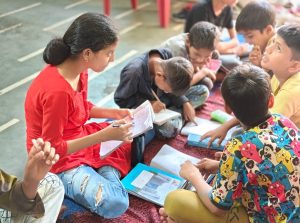
Since the country became independent, education has been crucial in growing India’s economy. The main focus has been to increase the number of people who can read and write and to train skilled and smart workers. The government has started many programs to achieve this goal.
India has been known for its education system since ancient times. However, this system has evolved, and today, the old methods and structures aren’t enough to meet modern needs. Despite this, India has given the world some of the brightest and most creative minds, though they are few compared to its large population. The outdated education system and rules are partly responsible. The government is aware and is making efforts to improve it, aiming to help students and learners reach their highest potential.
The Indian education system dates back thousands of years, making it one of the oldest ever. Takshasila, established in the 8th century BCE, was India’s first higher education institution. Also, the world’s oldest university education system, Nalanda University, was founded in eastern India. These places offered higher education to students from abroad too. They taught subjects like Buddhist Páli literature, logic, and Páli grammar.
In addition, Brahmin gurus would teach various subjects in exchange for donations. Later on, stupas and temples became learning centers. They offered religious education along with general knowledge. The education back then related to the skills society needed. It was divided into four groups:
1) The priest class, or Sammanas, learned about religion, philosophy, and related topics.
2) The warrior class, or Kshatriya, were trained to be great warriors and learned about warfare.
3) The business class, or Vaishya, were taught about trade.
4) The working class, or Shudras, were not given educational opportunities and were seen as the lower class.
After years of feedback and demands, in 2020, the Indian government announced major changes to its education system. The goal is to align India’s education with international standards, eliminate memorization-based learning, and foster confidence. The aim is to create more skilled, knowledgeable students with diverse talents and personalities.
One of the most important changes is the overhaul of the school structure, moving away from the old 10+2 model. Now, the education system will follow a 5 + 3 + 3 + 4 model for the curricular and teaching methods in schools.
Conclusion
The Indian education system has been a cornerstone of the country’s economy from its earliest days. It boasts a rich history and has given the world some of its brightest talents. However, due to insufficient awareness, inadequate infrastructure, and a lack of emphasis on personal growth, the system has often fallen short of its potential, producing workers who are not as exceptional as they could be.
India’s education system stands at a crucial juncture, poised for transformation to meet the demands of the modern world. While historical institutions like Takshasila and Nalanda University reflect India’s deep-rooted educational heritage, contemporary challenges necessitate a paradigm shift. The government’s recent initiatives signal a commitment to revitalize the education sector, aligning it with global standards and fostering innovation and creativity.