
Solar Tiles Redefining Energy Sustainability
Innovations in renewable energy sources are pivotal in the quest for a sustainable future. Solar energy is one of the most promising solutions to mitigate climate change and reduce our dependence on fossil fuels.
While traditional solar panels have made significant strides in the renewable energy sector, a new player has emerged, redefining the solar tile and its energy sustainability landscape. Solar-powered tiles, also known as solar shingles or photovoltaic (PV) tiles, represent a groundbreaking advancement in solar technology.
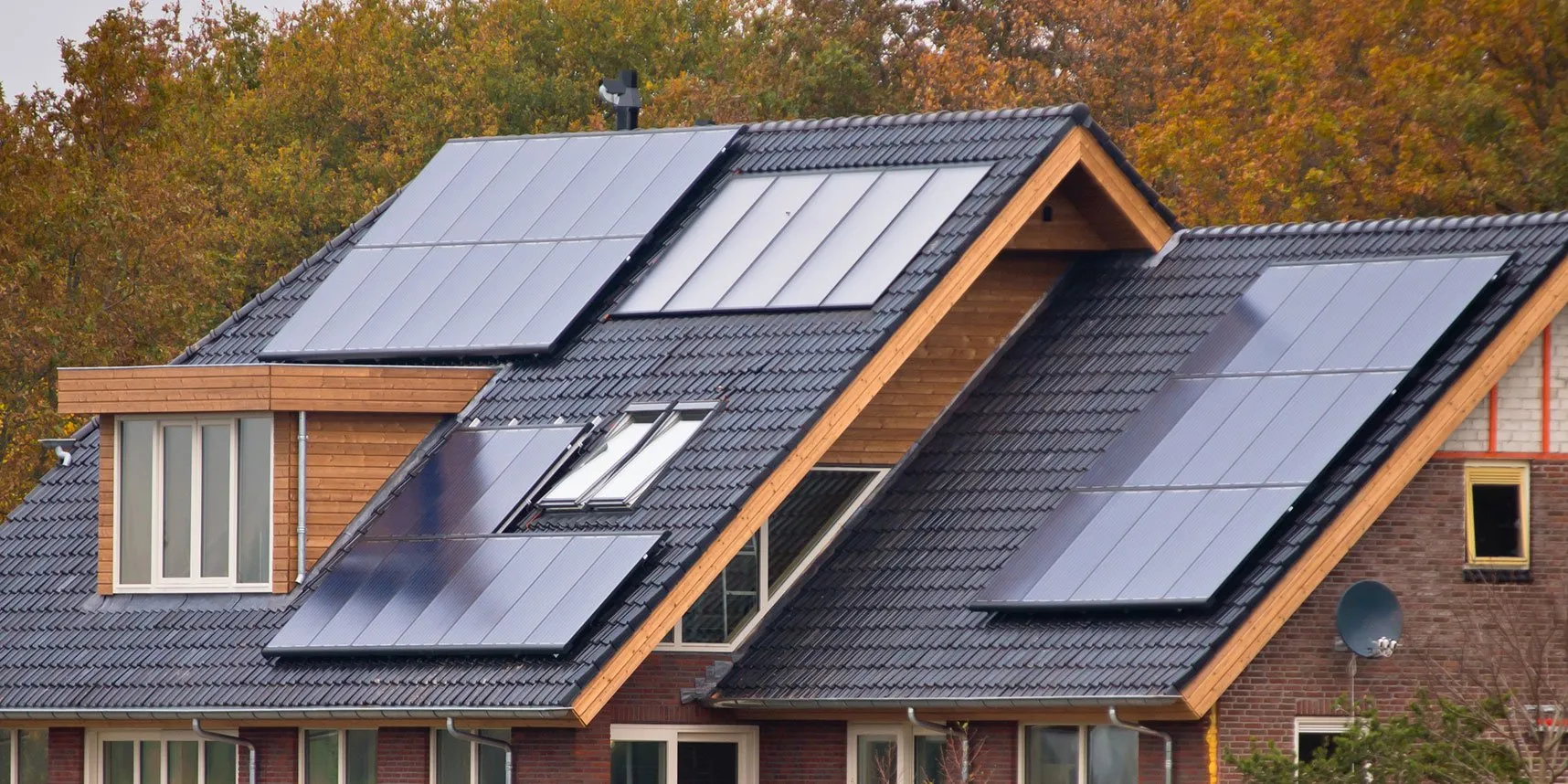
Unlike conventional solar panels, which are bulky and mounted on top of existing roofs, solar tiles seamlessly integrate with roofing materials, offering a sleek and aesthetically pleasing solution for residential and commercial buildings. This innovative approach enhances the visual appeal of structures and maximises energy generation potential by utilising available roof space more efficiently.
The Evolution of Solar Tiles
Solar tiles aren’t entirely new, but recent advancements in materials science, manufacturing techniques, and design have propelled them into the mainstream. Early iterations of solar tiles faced challenges in efficiency, durability, and cost-effectiveness. However, ongoing research and development efforts have addressed many of these issues, making solar tiles a viable and increasingly popular choice for environmentally conscious consumers and businesses.
Advantages of Solar Tiles
Aesthetic Appeal
One of the most significant advantages of solar tiles is their seamless integration into the roofline, which effectively preserves buildings’ architectural integrity.
Unlike traditional solar panels, which can often appear visually obtrusive, solar tiles seamlessly blend in with the surrounding roofing materials, offering a more aesthetically pleasing alternative that enhances the overall look of the structure.
Space Utilization
Solar tiles excel in their ability to cover the entirety of the roof surface, thereby maximising the utilisation of available space for energy generation. This attribute proves particularly advantageous for buildings with limited roof areas or those in densely populated urban environments where space is a premium commodity.
Solar tiles ensure optimal energy production by fully leveraging the roof space without compromising functionality or design.
Durability and Longevity
Modern solar tiles are meticulously engineered to withstand even the most severe weather conditions, including hail, high winds, and extreme temperatures. With a lifespan comparable to that of traditional roofing materials, solar tiles offer sustainable energy generation and long-term protection for the underlying building structure.
This durability ensures peace of mind for property owners, as their investment in solar technology is safeguarded against environmental wear and tear.
Energy Efficiency
Solar tiles harness sunlight’s power to generate electricity, thereby significantly reducing reliance on fossil fuels and effectively mitigating greenhouse gas emissions. This renewable energy source is clean, abundant, and inexhaustible, making it an environmentally sustainable solution for addressing the world’s ever-growing energy needs.
By tapping into solar energy, buildings equipped with solar tiles contribute to a greener and more sustainable future while reducing their carbon footprint.
Cost Savings
While the initial upfront cost of investing in solar tiles may be slightly higher than traditional roofing materials, the long-term savings on energy bills and potential incentives can render them a highly cost-effective choice over time. In addition to the financial benefits of reduced energy consumption, many jurisdictions offer various incentives such as tax credits, rebates, feed-in tariffs, or net metering programs.
These incentives further enhance the economic viability of solar tiles by offsetting installation costs and providing avenues for earning revenue through excess energy generation. Consequently, the adoption of solar tiles yields substantial cost savings for property owners and contributes to the affordability and accessibility of renewable energy technologies.
Challenges and Considerations in Adopting Solar Tiles
Embracing solar tiles offers many benefits, yet it’s essential to acknowledge and address the hurdles that come with their integration. Here are several critical considerations:
Initial Cost and Financial Considerations
The initial investment required for installing solar tiles can pose a significant barrier for many homeowners and businesses. However, it’s crucial to note that the long-term savings from reduced energy bills and potential incentives can offset this initial cost.
Moreover, with continuous advancements in technology and increased market competition, the prices of solar tiles are steadily decreasing, making them more accessible to a broader range of consumers.
Technical Complexity of Installation
Unlike traditional roofing materials, installing solar tiles demands specialised expertise and may involve intricate procedures. Proper alignment, integration with existing roofing structures, and electrical wiring are vital aspects that require meticulous attention to detail to ensure optimal functionality and longevity.
Collaborating with experienced professionals or certified installers is paramount to navigating through these complexities seamlessly.
Navigating Regulatory Frameworks
The regulatory landscape surrounding solar installations can vary significantly from one region to another. Permitting requirements, zoning restrictions, and interconnection standards often complicate the adoption process.
Streamlining these regulatory procedures and implementing supportive policies and incentives can facilitate smoother transitions to solar energy, encouraging widespread adoption and investment in renewable technologies.
Maintenance and Long-Term Performance
While solar tiles are engineered to withstand harsh environmental conditions, regular maintenance is essential to maximise their efficiency and lifespan. Routine debris removal, system inspections, and occasional repairs are necessary to ensure uninterrupted energy generation.
Developing proactive maintenance schedules and leveraging emerging technologies such as predictive analytics can help preemptively identify and address potential issues, safeguarding the integrity and performance of solar installations over time.
The Future of Solar Tiles
As technology continues to evolve and market demand grows, the future of solar tiles looks promising. Ongoing research and development efforts are focused on improving efficiency, reducing costs, and expanding design options to cater to diverse architectural styles and preferences.
Additionally, advancements in energy storage solutions, such as batteries, enhance solar tiles’ ability to provide reliable and resilient power, even during low sunlight or grid outages.
Conclusion
Solar tiles represent a transformative innovation in renewable energy, offering a sustainable and visually appealing solution for powering buildings. Solar tiles are redefining how we think about solar technology and energy sustainability with their ability to integrate with existing infrastructure and maximise energy generation potential seamlessly. While challenges remain, ongoing advancements and growing adoption indicate a bright future for solar tiles in powering the transition to a cleaner, more resilient energy future.