
The Versatility of IBC Containers and IBC Tanks in Modern Industries

In the realm of industrial storage and transport, IBC containers and IBC tanks have emerged as essential tools for businesses across various sectors. These Intermediate Bulk Containers (IBCs) are designed to efficiently store and transport large volumes of liquids, chemicals, and other materials, offering a practical solution for companies looking to optimize their operations.
What are IBC Containers?
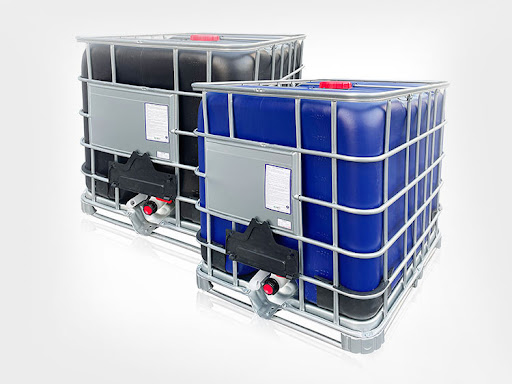
IBC containers, also known as IBC tanks, are large, reusable containers typically made from high-density polyethylene (HDPE), stainless steel, or composite materials. They are designed to hold between 275 and 330 gallons of liquid, making them ideal for transporting and storing bulk quantities of various substances. The containers are built to be both durable and easy to handle, featuring a metal cage for added protection and a pallet base for easy stacking and mobility.
Applications of IBC Containers
The versatility of IBC containers makes them indispensable in a wide range of industries. In the chemical industry, for example, IBC tanks are commonly used to store and transport hazardous and non-hazardous chemicals. Their robust construction and ability to safely contain volatile substances make them a preferred choice for chemical manufacturers and distributors.
In the food and beverage industry, IBC containers are used to store and transport liquids such as oils, syrups, and flavorings. The food-grade materials used in certain IBC tanks ensure that the contents remain uncontaminated, adhering to strict health and safety standards. Additionally, the ease of cleaning and reusability of these containers contributes to their popularity in this sector.
Agriculture is another industry where IBC tanks play a crucial role. Farmers use these containers to store and transport water, fertilizers, pesticides, and other agricultural chemicals. The portability and durability of IBC containers make them ideal for use in rural areas where infrastructure may be limited.
Benefits of Using IBC Tanks
One of the primary advantages of using IBC tanks is their cost-effectiveness. These containers are designed for repeated use, which significantly reduces the cost per use over time. Additionally, their ability to hold large volumes of material means fewer containers are needed, further driving down costs associated with storage and transport.
IBC containers are also known for their environmental benefits. Many IBC tanks are made from recyclable materials, and their reusability reduces the demand for single-use containers. This not only lowers waste generation but also aligns with sustainable business practices that are increasingly important in today’s market.
Moreover, the design of IBC tanks allows for efficient use of space. Their cubic shape enables them to be stacked, maximizing storage capacity in warehouses and during transport. This space-saving feature is particularly beneficial in industries where storage space is at a premium.
Conclusion
In conclusion, IBC containers and IBC tanks have become integral to the operations of various industries due to their versatility, durability, and cost-effectiveness. Whether in the chemical, food and beverage, or agricultural sectors, these containers provide a reliable solution for the storage and transport of bulk materials. As industries continue to prioritize efficiency and sustainability, the demand for IBC containers is likely to grow, solidifying their role as a cornerstone of modern industrial logistics.
Click the link below to find out more!