
What is Layer 1 Blockchain Security and Its Protocols

Blockchain technology has completely transformed the concept of decentralized, secure data storage. It has made possible new decentralized, trustless transactions that might shake up established monetary and governmental structures.
Distributed ledgers, kept up by a web of computers called “nodes,” are the backbone of this technology. Nodes check and add new transactions to the chain. Every layer of the blockchain technology stack expands the system’s capabilities and adds new features.
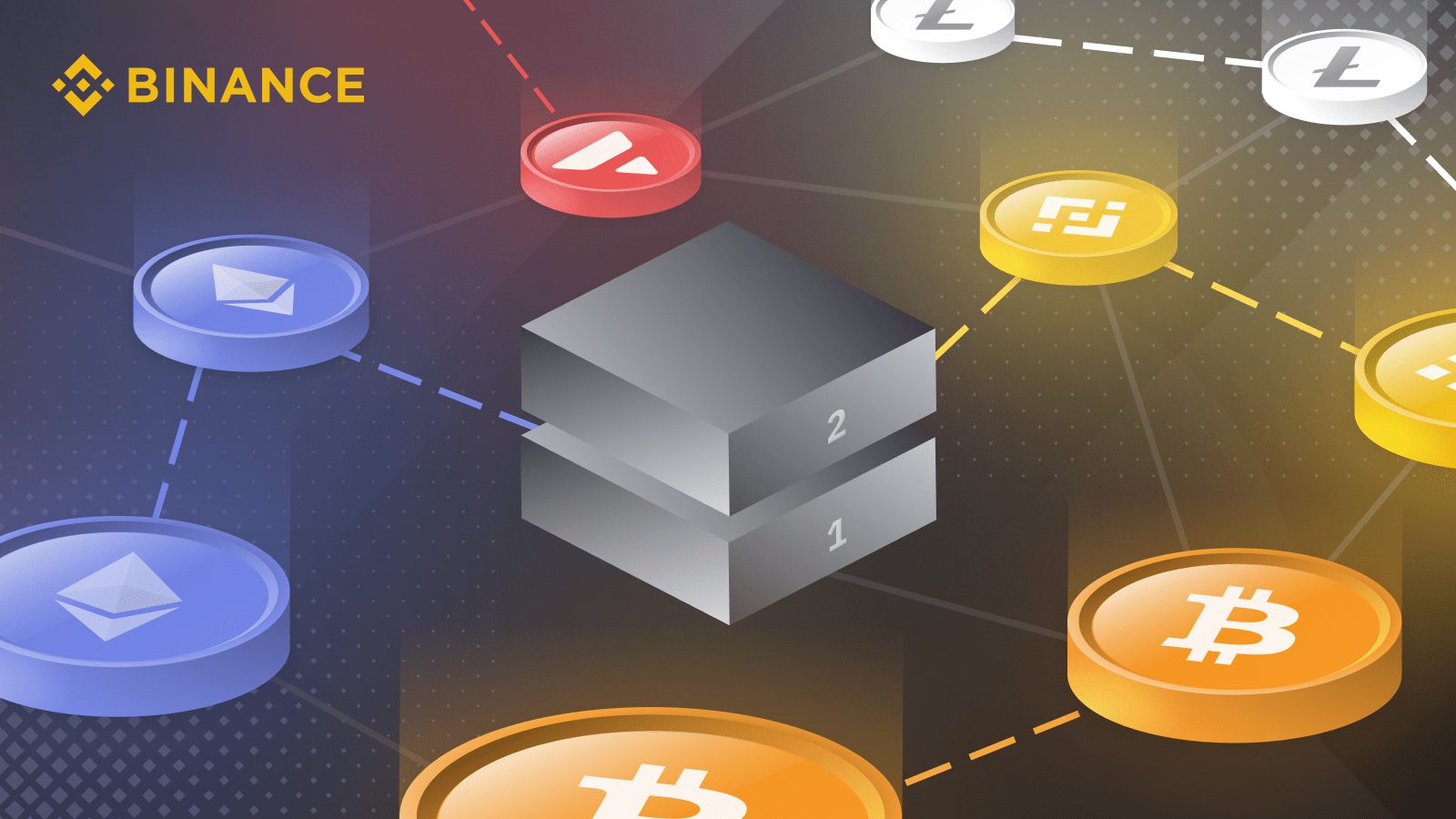
On top of it, Layer 1 is the most fundamental layer of the blockchain and establishes its guiding principles and protocols, located at the very bottom of the stack. Since Layer 1 plays a crucial role in blockchain security, this article will share more valuable information.
Defining Layer 1 in Blockchain
The blockchain protocol that underpins the whole network is known as Layer 1 blockchain. To record transactions securely on a public, immutable, and trustless ledger, a distributed ledger technology (DLT) is used.
Layer 1, the most fundamental blockchain, is termed the “foundation” or “core” since it underpins all protocols and applications. This layer is responsible for keeping the distributed ledger up-to-date, verifying transactions, and defending the network.
Key Features of Layer 1 Blockchain
Layer 1 blockchain has important features you should know to understand further how it works:
Consensus Mechanism
If a Layer 1 blockchain wants to validate transactions and get everyone on the same page, it will use one of several consensus processes. Layer 1 blockchains frequently employ several consensus methods, such as Proof-of-Work (PoW), Proof-of-Stake (PoS), and Delegated Proof-of-Stake (DPoS).
Scalability
The difficulty of scaling Layer 1 blockchain arises from the fact that they must be able to process a high volume of transactions efficiently. Sharding, sidechains, and state channels are some of the creative strategies several Layer 1 protocols use to improve throughput and scalability.
Security
Through cryptographic algorithms and decentralized network topologies, Layer 1 blockchains place a premium on security. All transactions recorded on the blockchain are guaranteed to be accurate and unchangeable because of their immutability, achieved by cryptographic hashing.
Smart Contracts
Smart contracts, which are computer programs that automatically carry out the conditions of an agreement, are compatible with many Layer 1 blockchains. By eliminating intermediaries and increasing transparency, smart contracts make it possible to automate contractual arrangements.
Layer 1 Blockchain Protocols
There are also certain protocols for Layer 1 in the most commonly used and recognized cryptocurrency:
Ethereum
One Layer 1 blockchain that has gained notoriety for its support of smart contracts and decentralized apps is Ethereum. The idea of programmable money was introduced, completely changing the blockchain industry.
Polkadot
Layer 1 blockchain protocol in Polkadot prioritizes interoperability among various blockchains. It allows for the smooth movement of assets and data between different chains. Nominated Proof of Stake (NPoS) is Polkadot’s consensus technique and a novel shared security concept.
Solana
The third-generation blockchain Solana is working to fix the scalability problems that Layer 1 blockchains have. In contrast to Ethereum and Bitcoin, Solana uses proof of history (PoH) consensus to accomplish transaction speeds of up to 65,000 per second.
WEMIX
A layer 1 blockchain that aims to provide a wide array of decentralized services to accelerate the adoption of blockchain technology. WEMIX3.0 uses SPoA(Stake base Proof of Authority) consensus, and has a 4,000 TPS throughput with a 1-second block interval.
Navigate Blockchain Network with Layer 1 Blockchain Security
Layer 1 protocols lay the groundwork for decentralized systems to be secure and scalable, essential to the blockchain revolution. Also, Layer 1 blockchains provide individuals and industries with unmatched prospects by utilizing consensus methods, scalability solutions, and programmability.
You should anticipate a surge in creative use cases and broad adoption once scalability issues are resolved and interoperability is standard. Layer 1 protocols may soon enable a plethora of applications that change the social and economic landscape of the globe, thanks to the fast development of this technology.


